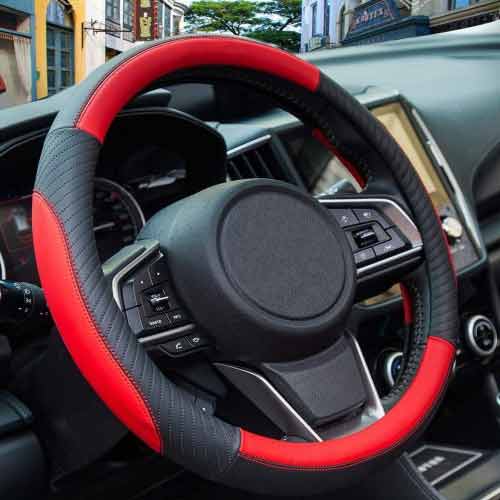
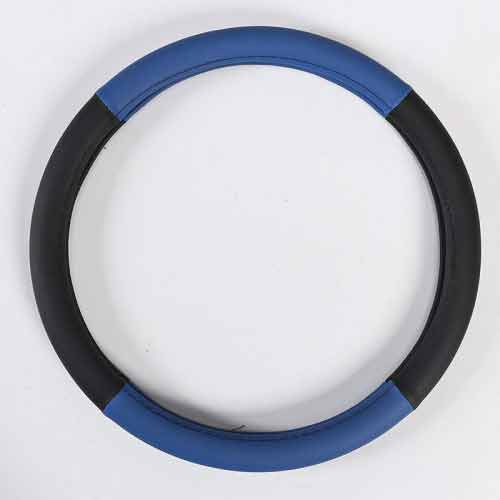
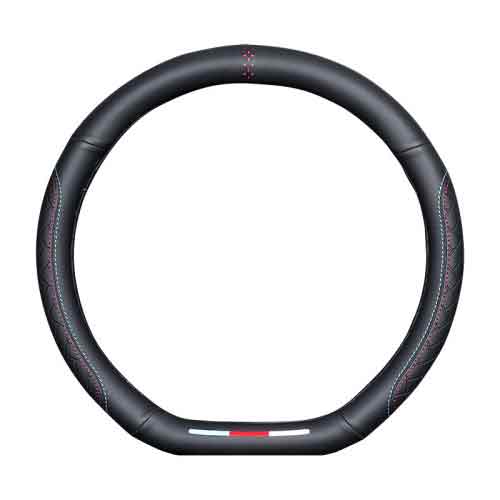
Product details description
A steering wheel cover enhances grip, comfort, and interior style, but
slipping undermines safety and aesthetics. Professional installation techniques
focus on surface preparation, proper sizing, and secure attachment to ensure the
cover stays firmly in place under all driving conditions.
Start with wheel inspection and cleaning. Remove dirt, grease, and old
residue with a mild detergent and a stiff brush, then wipe dry. For leather or
wood-trimmed wheels, use an appropriate cleaner to avoid damaging finishes. A
clean, dry surface is critical for adhesion and friction-based covers.
Measure and select the correct size. Covers are sized by inner
diameter—common ranges are 14–15 inches for compact cars, 15–16 inches for
mid-size, and 17+ inches for trucks/SUVs. A cover that’s too small will stretch
and loosen; one that’s too large will bunch and slip. Some covers are
stretchable, but sizing within the recommended range ensures optimal fit.
For slip-on covers, use gradual stretching and positioning. Begin at the
top of the wheel (12 o’clock position) and work around, easing the cover over
the rim while aligning any stitching or design elements symmetrically. Avoid
forcing the cover, which can cause premature wear or tear. For leather or suede
covers, warming the material slightly (e.g., with a hairdryer on low heat)
increases pliability for easier installation.
Secure attachment methods vary by cover type. Elastic-edged covers rely on
tension to grip; ensure the elastic is evenly distributed around the rim.
Lace-up models require threading a cord through pre-punched holes and pulling
evenly to tighten. Adhesive-backed or clip-on covers use built-in
fasteners—clean the wheel surface where adhesives will contact to ensure strong
bonding.
Post-installation checks ensure stability. Grip the wheel firmly at
multiple positions and test for rotation or shifting. Drive cautiously for the
first few miles to confirm the cover remains secure. Periodically inspect for
loosening, especially in hot weather where heat can soften adhesives or elastic.
With these pro tips, your steering wheel cover will stay put, enhancing both
control and cabin appeal.
Previous article:
Eco-Friendly Options: Biodegradable Materials for Steering Wheel Covers
Next article:
Steering Wheel Cover Maintenance and Cleaning Tips